Giving an AI assistant a consistent character, voice, and place in the product.
I defined the character and behavioral system for Frankie, Fringe’s AI HR assistant, helping translate an early conversational prototype into a consistent product experience.
Through workshops, interface exploration, and conversation design, I created a shared model for how Frankie should speak, behave, and appear across the product.
Role: Senior Product Designer
Focus: AI experience design · Conversation design · Product strategy · Workshop facilitation · UX/UI
Challenge: Turn an early AI assistant into a recognizable product character that could feel helpful and human without pretending to be human.
Outcome: A documented character and behavioral system that gave Product, Design, and Engineering a shared foundation for developing Frankie consistently across conversations and product experiences.
Giving Frankie a character
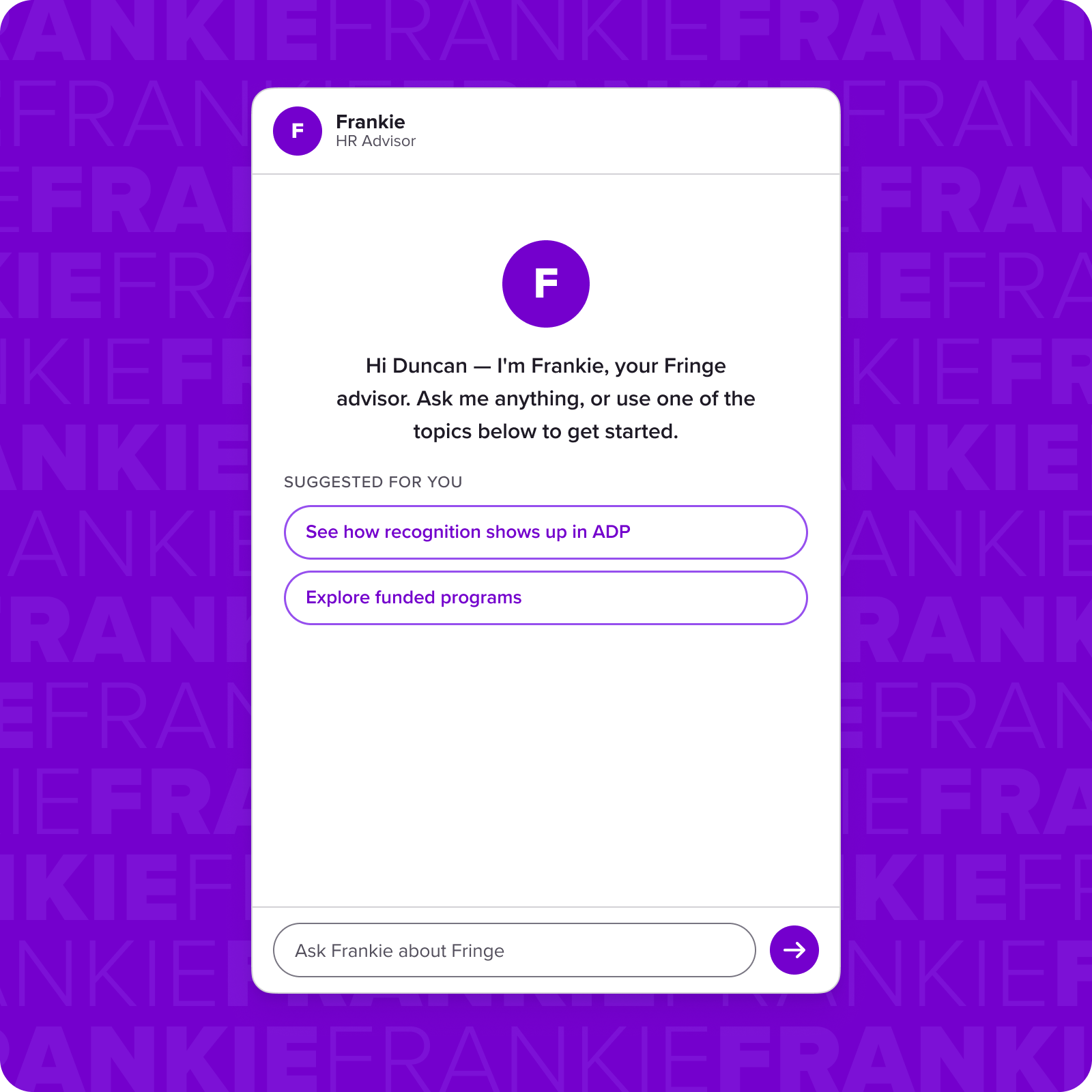
Frankie began as a conversational interface layered on top of Fringe’s existing product capabilities. The prototype could answer questions and guide users through tasks, but the experience raised a more fundamental design question:
Who—or what—was Frankie supposed to be?
The interface already implied a personality. Every greeting, recommendation, error, and follow-up taught users something about the character behind it. Without a shared model for that character, those decisions could easily become inconsistent as more people contributed to the product.
I began by treating Frankie not simply as an interface, but as a product character whose behavior needed intentional design.
From prototype to product
Frankie began as a prototype that Swain Strickland built during an internal sprint. The concept won the sprint and gave the team something tangible to build on: a conversational way for HR practitioners to interact with Fringe.
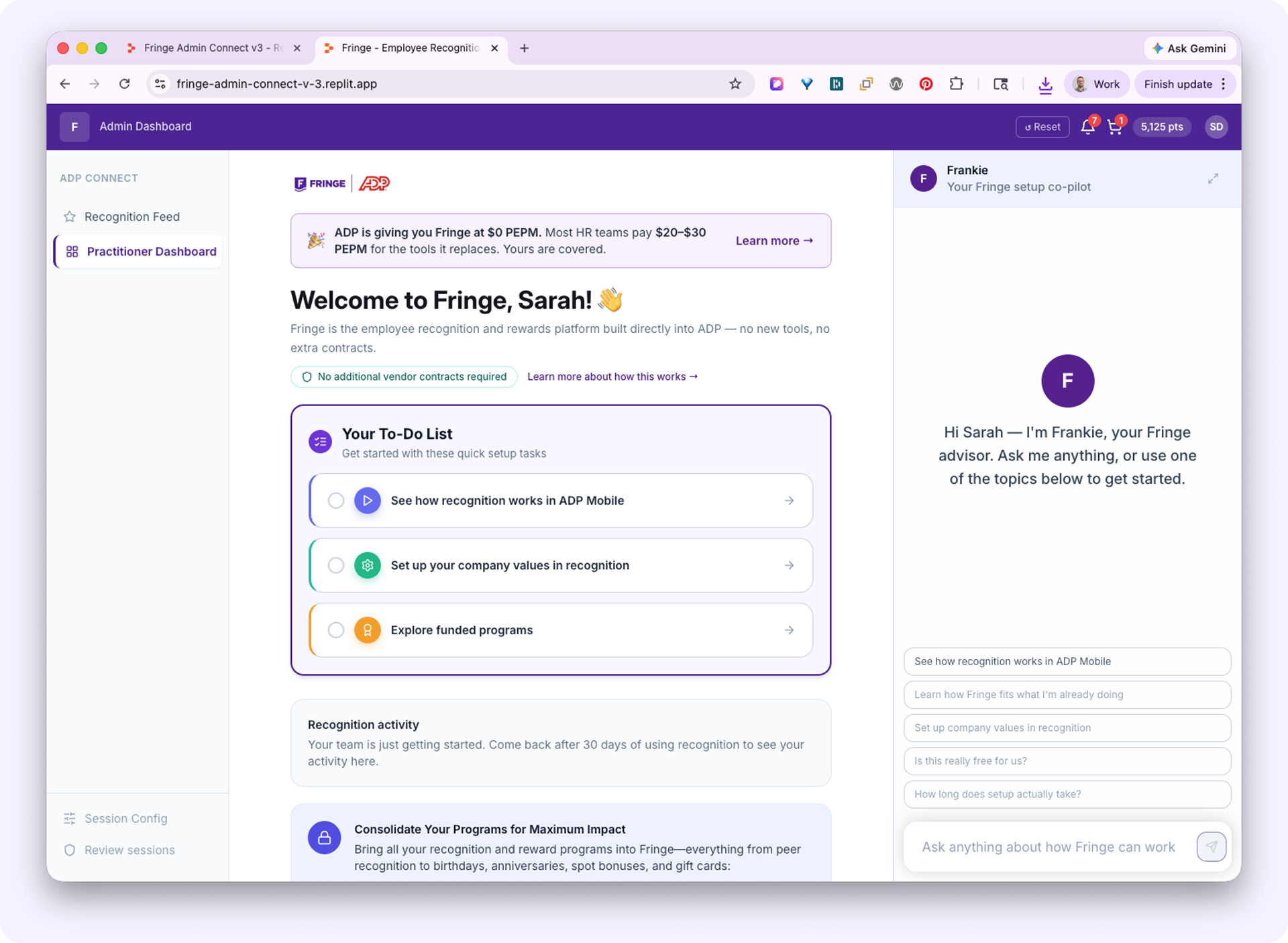
My first role was bringing that experience into the product itself, aligning the interface with the Practitioner Dashboard and the broader Fringe experience.
That work made the next problem much easier to see.
A chatbot can look like the rest of the product without behaving like it.
As we explored Frankie in more realistic situations, inconsistencies emerged in how it responded, how much it said, when it offered help, and what kind of relationship it seemed to have with the person on the other side of the conversation.
We didn’t just need better responses.
We needed a character system.
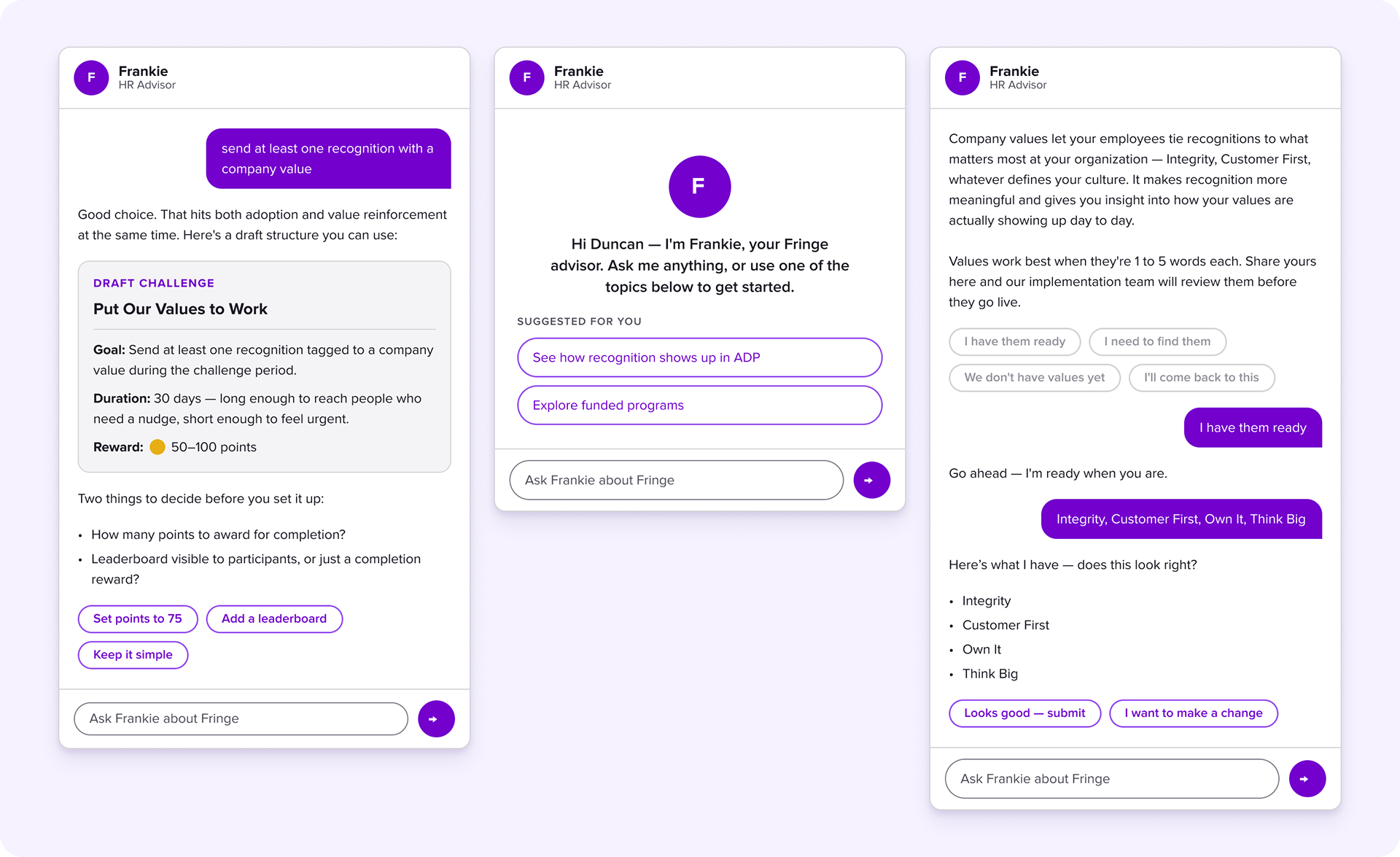
Exploring Frankie’s interface across onboarding, guided decisions, and structured HR tasks.
Designing the personality behind the interface
I started treating Frankie as two related design problems.
Character covered identity, psychology, personality, voice, behavioral principles, conversational modes, constraints, and examples of how Frankie should respond.
Visual identity covered how that character might appear in the product: avatar direction, expression, presence, states, and eventually motion.
The character needed to come first. A face without a coherent personality would only make inconsistent behavior more noticeable.
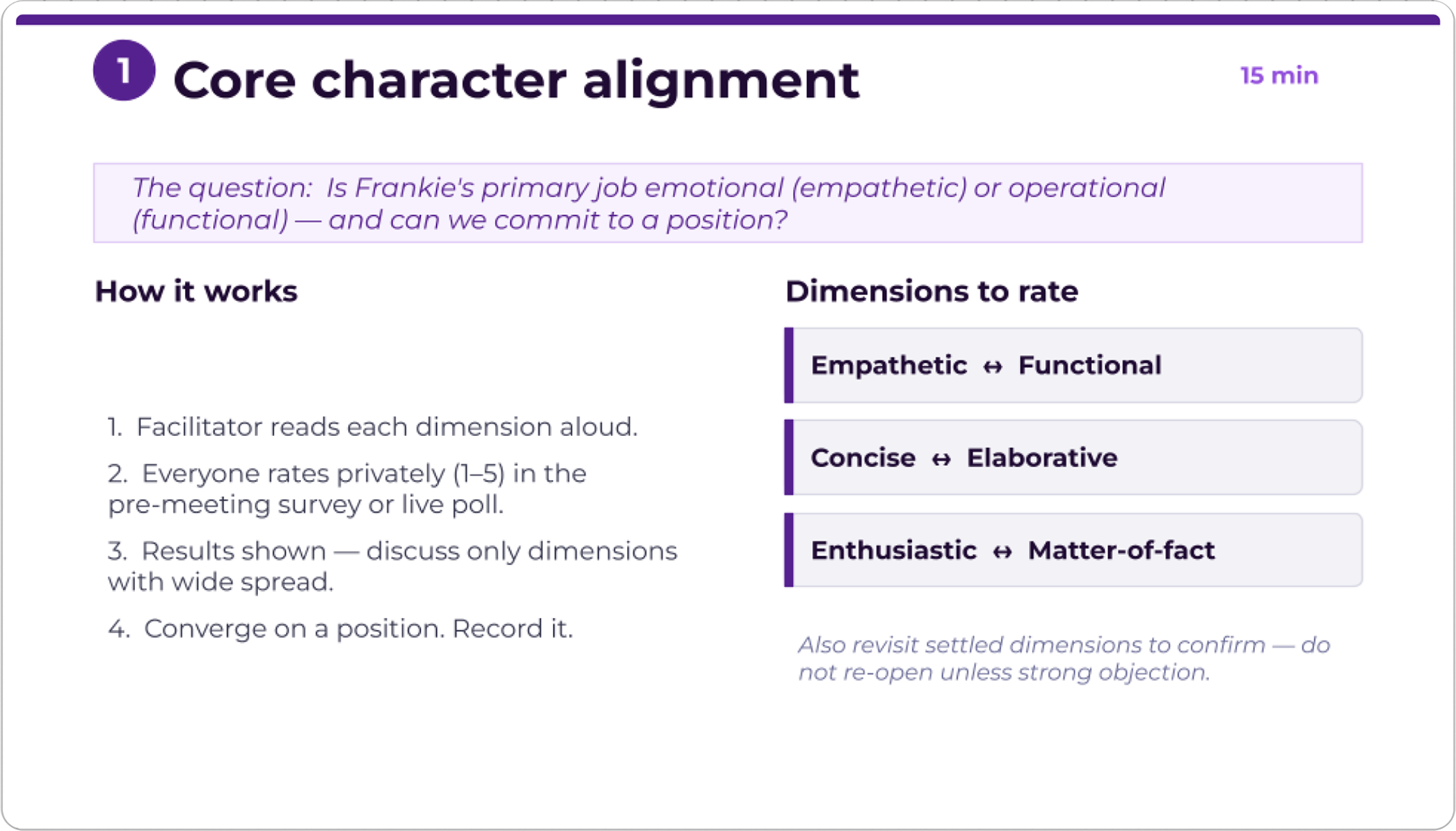
I researched voice-and-tone characteristics and developed ways to make subjective personality questions more concrete. Instead of asking stakeholders whether Frankie should simply be “friendly” or “professional,” I wanted us to decide how Frankie should actually behave.
Building alignment around a character
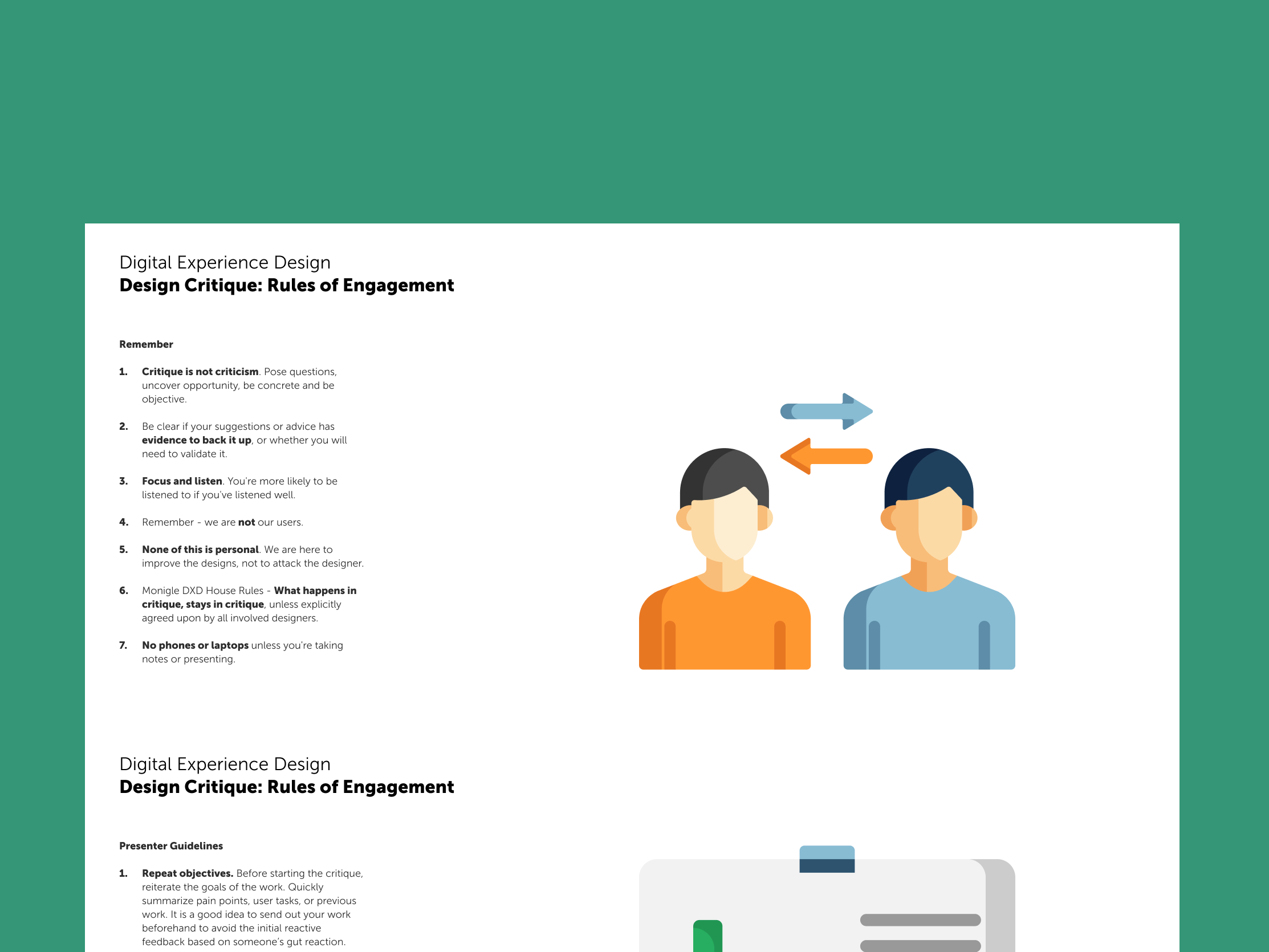
On May 14, I facilitated a character workshop with product and executive stakeholders.
The goal wasn’t to pick adjectives. It was to establish a shared mental model for how Frankie should relate to people.
We explored questions around authority, warmth, initiative, humor, expertise, brevity, and support behavior. The discussion helped reveal an important tension in the character.
Frankie needed to be both a coach and a concierge.
As a coach, Frankie could help practitioners understand what mattered, make sense of information, and move toward a decision.
As a concierge, Frankie could reduce effort—finding things, surfacing the right information, and helping people get something done.
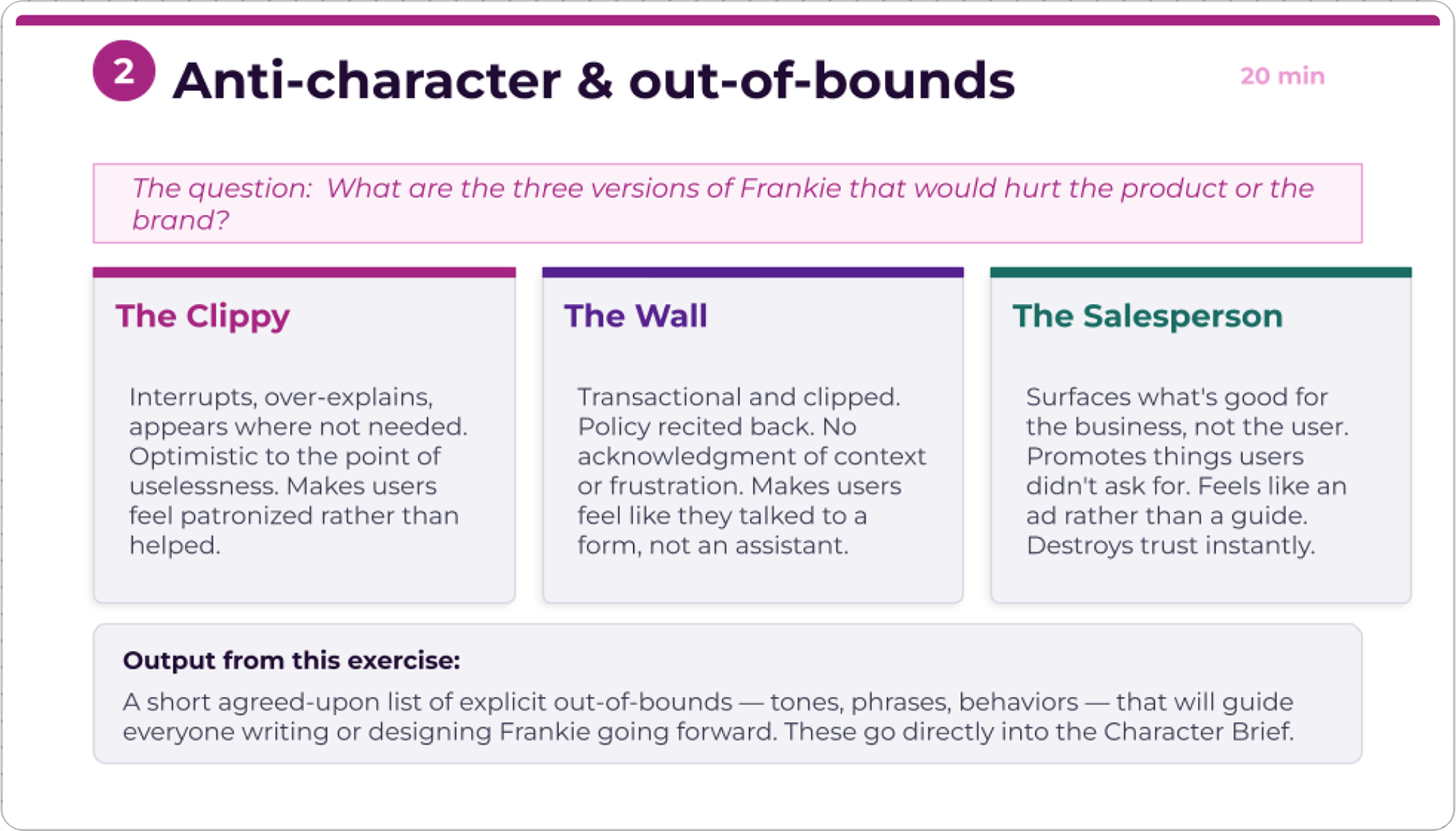
We also defined what Frankie should never become: an intrusive assistant that overexplained, a cold interface that ignored context, or a salesperson that prioritized Fringe over the person asking for help. These anti-characters set clear boundaries for the experience.
Together, the coach and concierge modes—and the boundaries our anti-characters defined—gave the team something more useful than a list of personality traits: a framework for deciding how Frankie should behave in context.
Conversation is the interface. Action is the point.
That distinction became central to the work.
Frankie wasn’t intended to become another search bar, help center, or support bot that simply routed people elsewhere. The opportunity was to reduce the distance between people and the things they were trying to do.
At the time, that meant helping HR practitioners answer questions, surface relevant data, and navigate tasks within the ADP Connect experience. Longer term, the same interaction model could support more direct action and additional audiences.
The conversation itself wasn’t the destination.
The work getting done was the point.
That changed how I thought about the character. Frankie shouldn’t maximize conversation. It should know when to explain, when to recommend, when to act, when to hand off, and when to get out of the way.
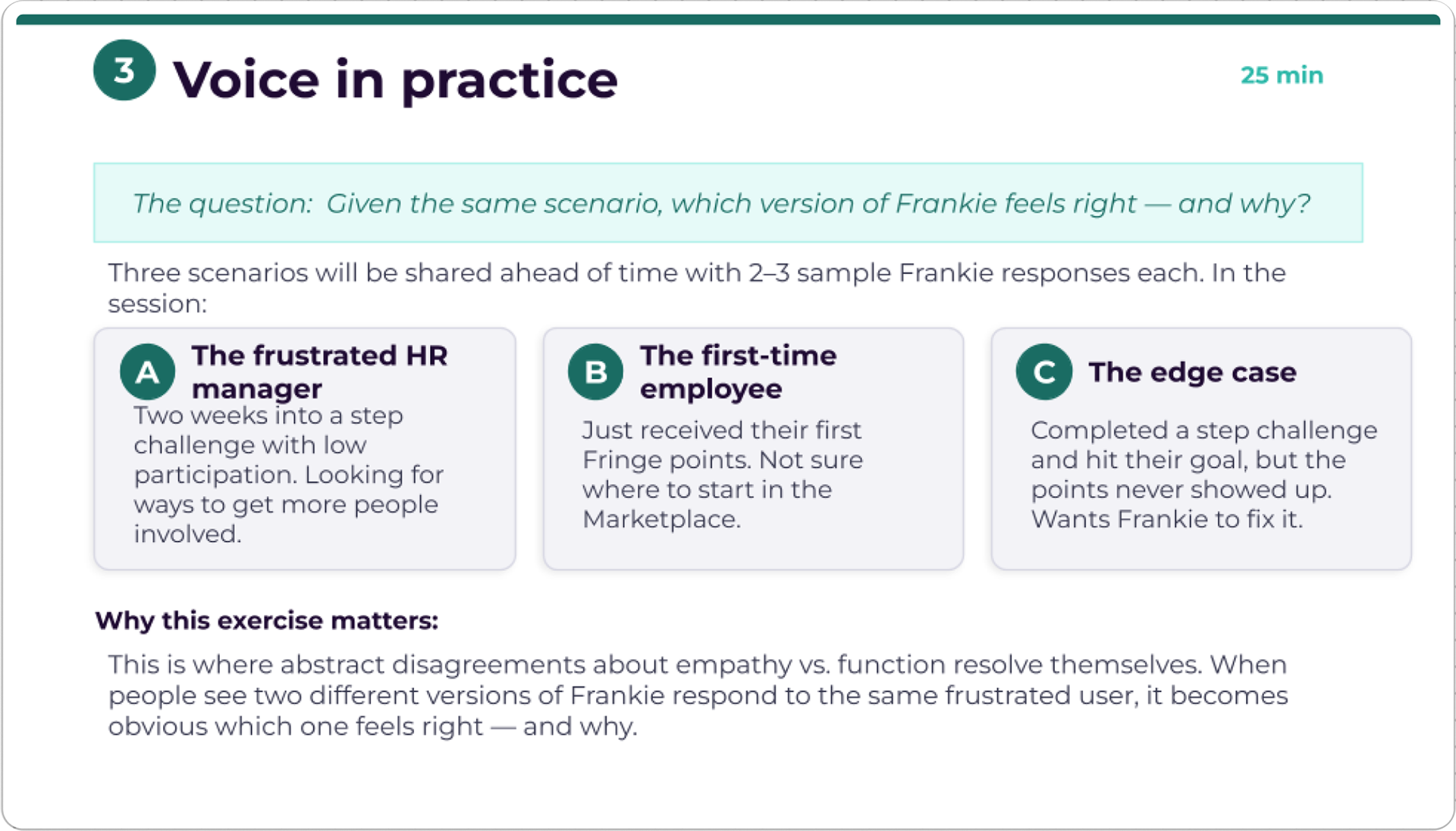
To make those decisions tangible, I developed scenarios that challenged Frankie to respond to different needs: a frustrated HR manager, a first-time employee, and someone dealing with a problem the assistant might not be able to resolve. Comparing possible responses helped us evaluate not just how Frankie sounded, but whether its behavior actually served the person asking for help.
Turning personality into product behavior
The workshop and research became a working system for Frankie’s personality, voice, and tone.
I translated the character into practical guidance for how direct or conversational Frankie should be, when to lead versus follow, and how much context to provide. The system also addressed uncertainty, conversation recovery, and how calls to action should enter an exchange.
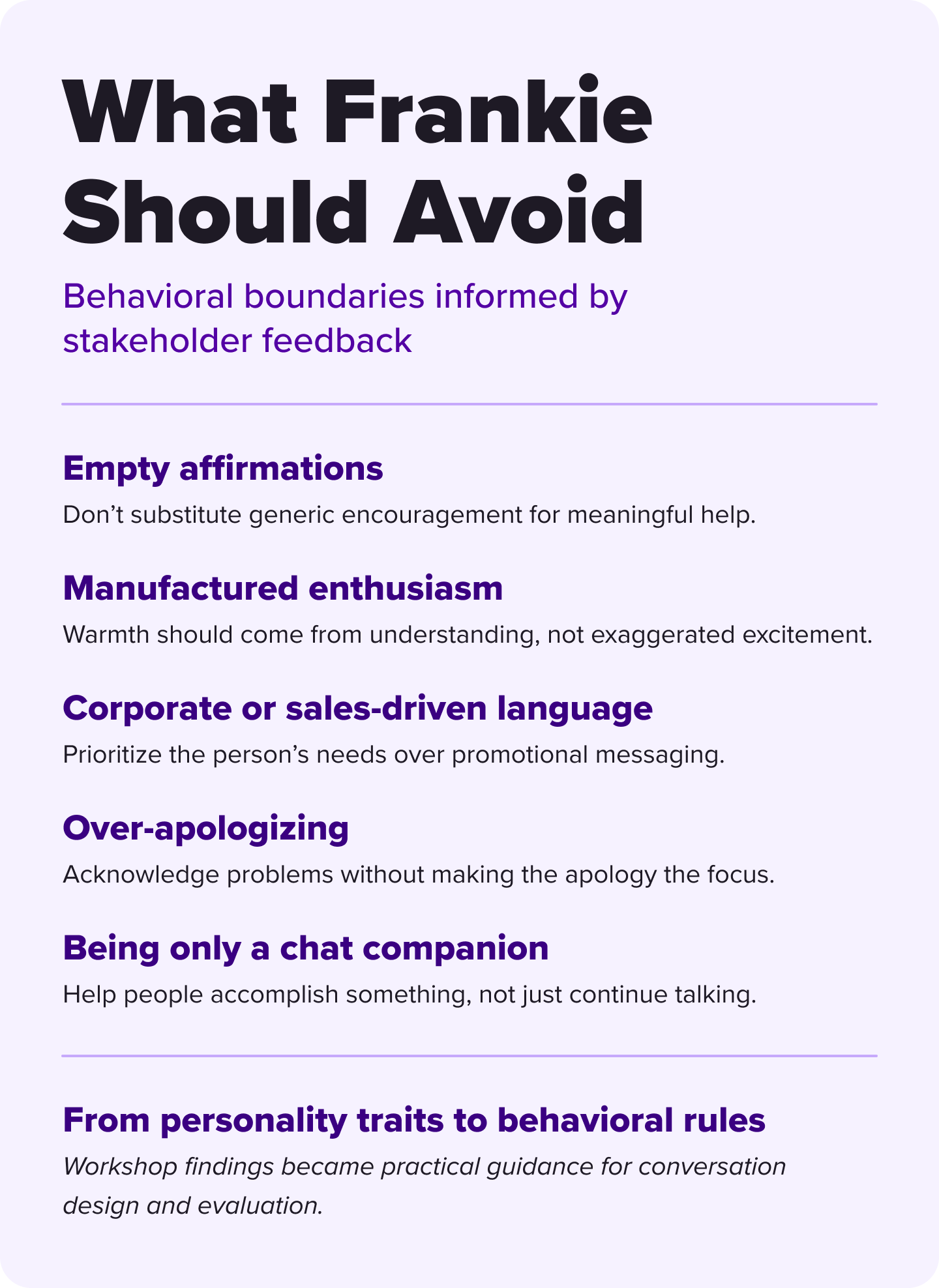
The Coach and Concierge modes helped determine how Frankie should respond in different contexts. Just as importantly, the guidance set boundaries for what Frankie should avoid.
The goal wasn’t to script every exchange. It was to establish enough structure to create consistency without sacrificing flexibility.
That meant learning from failures, too. During iteration, we encountered repeated responses, missed calls to action, unanswered questions, stalled conversations, and loops where Frankie failed to recognize that the user needed a different approach.
Those failures helped turn abstract personality principles into concrete behavioral guidance.
Documentation became part of the product
I documented Frankie’s personality, behavioral principles, and voice-and-tone guidance in Markdown.
That format mattered.
The documentation wasn’t just a reference for designers and product partners. It could also become operational input for the AI itself.
Tho Le used the modular guidance while developing the next iteration of Frankie. Rather than translating personality traits from a presentation into ad hoc prompts, the implementation could draw on explicit instructions for how Frankie should communicate, respond, and behave in different situations.
Other team members continued refining specific interaction behaviors, including literal-answer and handoff cases.
The character system had moved from design guidance to product infrastructure.
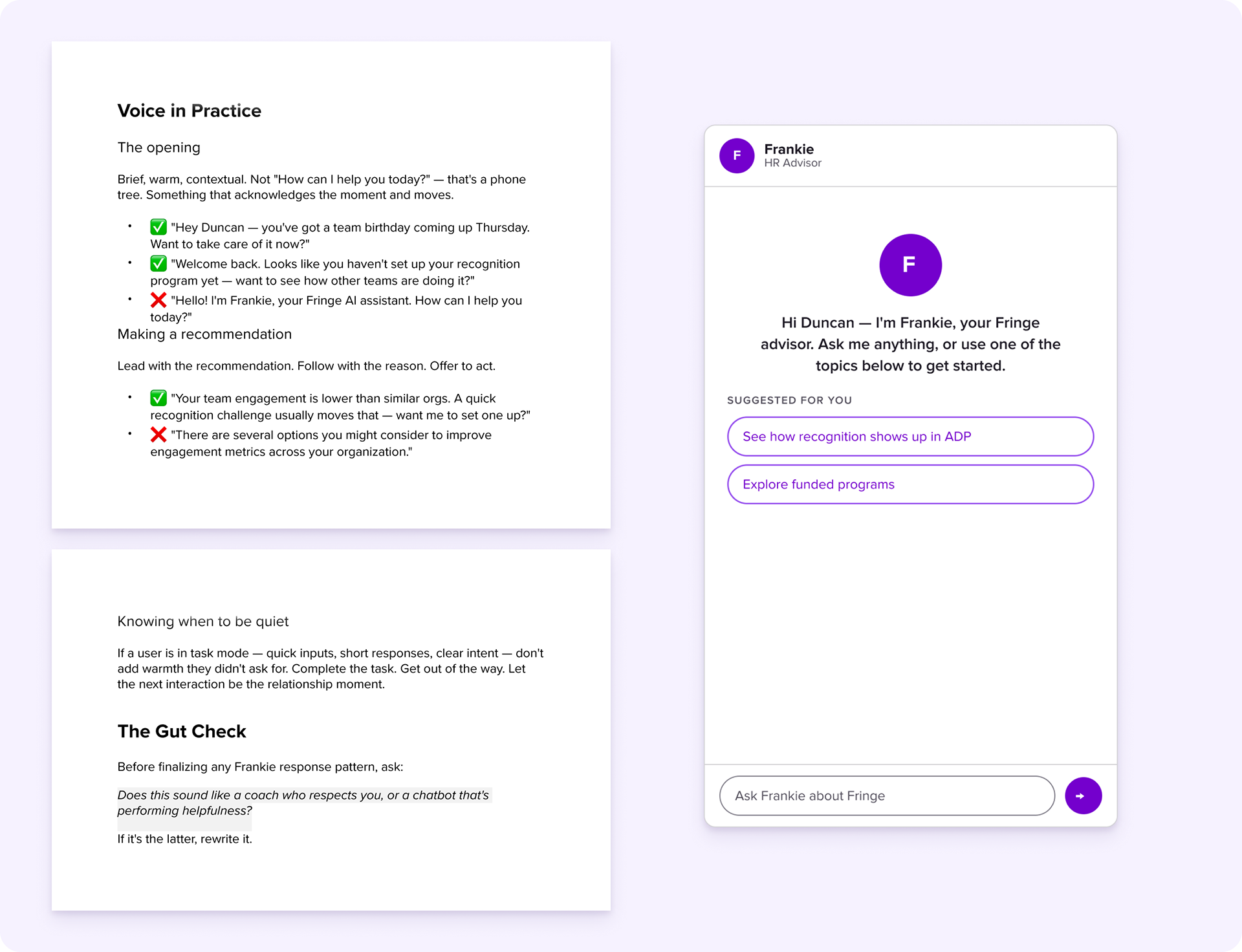
Voice-and-tone guidance translated Frankie’s character into practical response patterns, providing a foundation for ongoing implementation.
Designing a face for Frankie
Alongside the behavioral work, I explored how to make Frankie’s character visible.
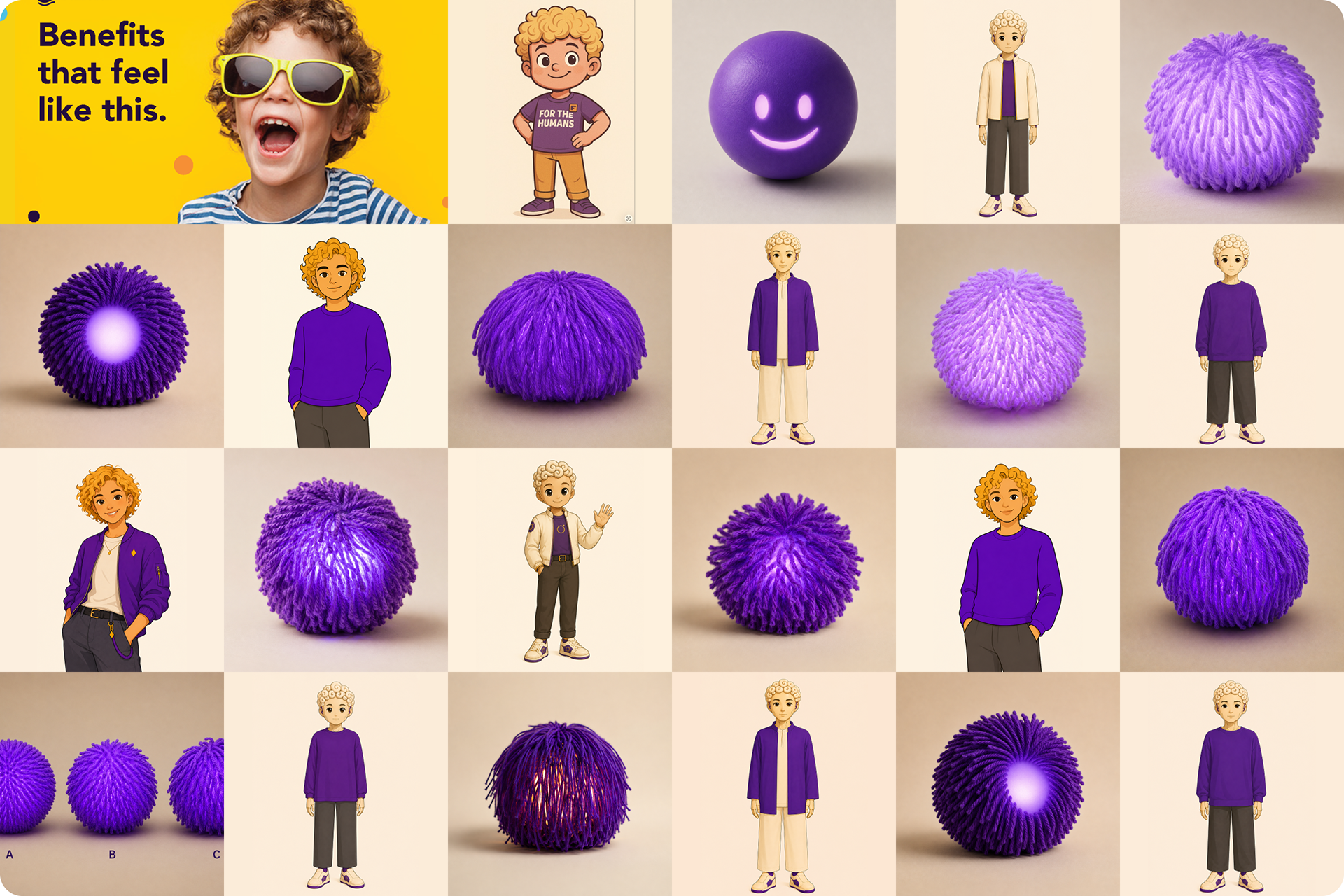
That included naming and avatar directions, expressions, states, sizes, and ways Frankie might appear across different product surfaces. I explored both human and abstract representations, looking for a character that could feel recognizable and approachable without becoming childish, overly anthropomorphic, or disconnected from Fringe.
The challenge wasn’t simply to make Frankie recognizable. It was to find a visual expression of the personality we had defined.
Before we could settle on a final direction, product priorities shifted toward experiments and discovery. The exploration remained open, without an approved name or avatar.
That distinction matters. The behavioral system had become actionable. The visual character hadn't yet reached that point.
What Frankie taught me
Designing an AI-enabled experience changed how I understood the boundaries of interface design.
The UI mattered. So did the words. But neither was sufficient on its own.
For a conversational product, personality becomes interaction design. Traits like confidence, restraint, initiative, warmth, and brevity affect what the system does—not merely how its copy sounds.
And when those decisions can directly influence model behavior, design documentation takes on a different role. It doesn’t just describe the product after decisions have been made.
It can become part of the system that produces the experience.
Frankie never reached a final visual form while I was at Fringe. But the work established something more fundamental: a shared model for who Frankie was, how Frankie should behave, and how to translate that character from design intent into an AI-enabled product.